
Leverage is one of the most widely discussed concepts in CFD trading — and one of the most important risk factors every trader should understand before entering the market. Many traders research CFD trading with high leverage to better understand how leveraged products work and how they can fit within a broader trading strategy. At FISG InterStellar Group, we believe that understanding both the potential benefits and risks of leverage is an essential step toward informed, responsible trading decisions.
Core Concept
What Is Leverage in CFD Trading?
Leverage allows traders to control a larger market position using a smaller amount of capital, often referred to as margin. Instead of paying the full value of a position, a trader deposits a percentage of the total exposure — gaining market access at a fraction of the full cost.
Leverage is commonly used across forex trading, CFD trading, commodities, indices, precious metals, and other leveraged financial instruments. While it increases market exposure, leverage does not reduce the risks associated with market movements — a distinction that every trader must clearly understand before using it.

Leverage Example · 1:20
Margin Deposited $500 Capital committed
Leverage Ratio 1:20 Multiplier applied
Market Exposure $10,000 Total position size
A 1% adverse move on a $10,000 position results in a $100 loss — equivalent to 20% of the original $500 margin . This illustrates why leverage magnifies losses as effectively as it magnifies gains, and why risk management is non-negotiable in leveraged trading.
Why Leverage Is Used
Why Traders Use Leverage in CFD Markets
Leverage has become a common feature of modern CFD trading because it provides flexibility in how traders allocate capital. At FISG, responsible trading practices and risk awareness remain important principles when participating in leveraged markets — leverage should never be viewed as a shortcut to trading success.
Successful traders often focus more on managing risk than maximising leverage. Market analysis, discipline, and a structured risk management approach remain essential regardless of position size.
Access Larger Market Positions
Leverage allows traders to participate in larger price movements than their capital alone would otherwise permit.
Diversify Across Multiple Instruments
With lower margin requirements per position, traders can spread capital across different instruments and markets simultaneously.
Increase Capital Efficiency
Traders can deploy a given amount of capital more efficiently, keeping reserves available for other positions or risk management purposes.
Support Short-Term Strategies
Scalpers and day traders in particular rely on leverage to make smaller price movements financially meaningful within short timeframes.
Leverage is a tool, not a strategy. The traders who use it most effectively are those who treat it as a means of capital efficiency — not as a multiplier they pursue for its own sake.
Risk Awareness
Understanding the Risks of Leveraged Trading
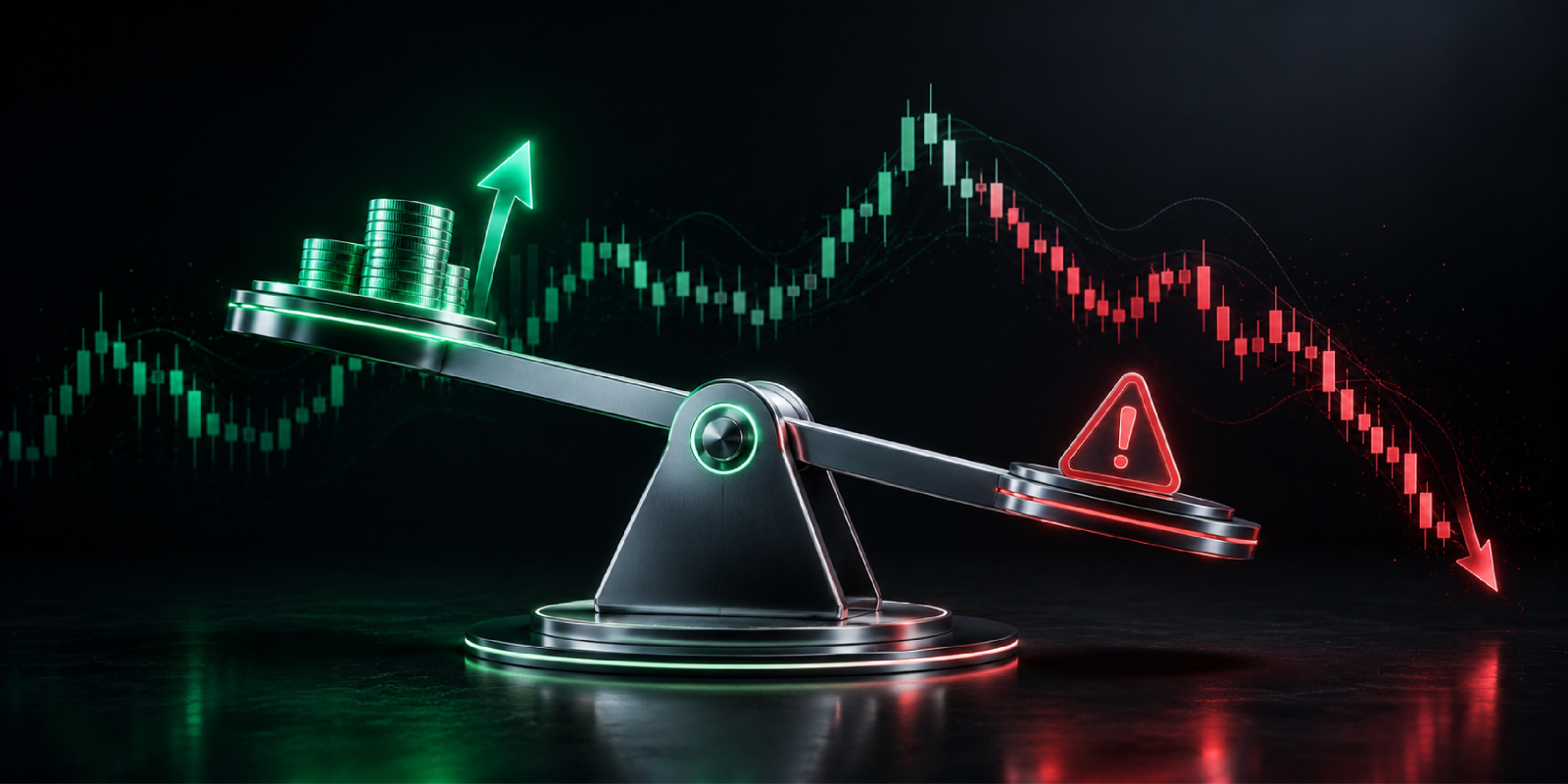
One of the most important facts about leveraged trading is that profits and losses are both magnified proportionally. A relatively small market movement can have a larger impact on a leveraged position than on an unleveraged investment of the same nominal size. Because of these factors, traders should always understand how leverage affects their positions before entering the market.
-
Increased Market Exposure
Leverage multiplies your market exposure proportionally — meaning a position that moves 2% against you results in a much larger percentage loss relative to your margin deposit.
-
Faster Account Fluctuations
Leveraged accounts can experience rapid changes in equity during volatile market periods, making real-time monitoring and pre-defined risk limits essential.
-
Margin Requirements
If a position moves sufficiently against you, a margin call may require you to deposit additional funds or have your position closed automatically — often at an unfavourable price.
-
Volatility-Related Losses
During periods of high market volatility — such as major economic announcements or geopolitical events — leveraged positions can move sharply against you in a very short time.
-
Emotional Decision-Making
The amplified pressure of leveraged losses can lead to reactive, undisciplined decisions. A written trading plan established before entering positions is the most effective antidote.
Margin & Risk
Margin and Risk Management — How They Work Together
Leverage and margin are inseparable. Margin represents the capital required to maintain an open position; leverage determines the level of market exposure associated with that capital. Understanding margin requirements is a fundamental part of managing a leveraged account responsibly. Many experienced traders focus on preserving capital rather than maximising leverage, recognising that long-term consistency depends on effective risk management.
What Margin Monitoring Helps You Do
-
Track your account's available margin in real time to avoid unexpected position closures
-
Manage total exposure levels relative to your account balance
-
Avoid committing all available margin to a single trade or direction
-
Maintain greater control over your overall trading activity and risk profile
Margin Management Principles
-
Never use all available margin — maintain a buffer to absorb adverse moves
-
Understand margin call levels for each instrument before entering a position
-
Review total account exposure — not just individual position size — regularly
-
Reduce leverage or position size during periods of elevated market volatility
Risk Management Plan
Building a Risk Management Plan for Leveraged Trading
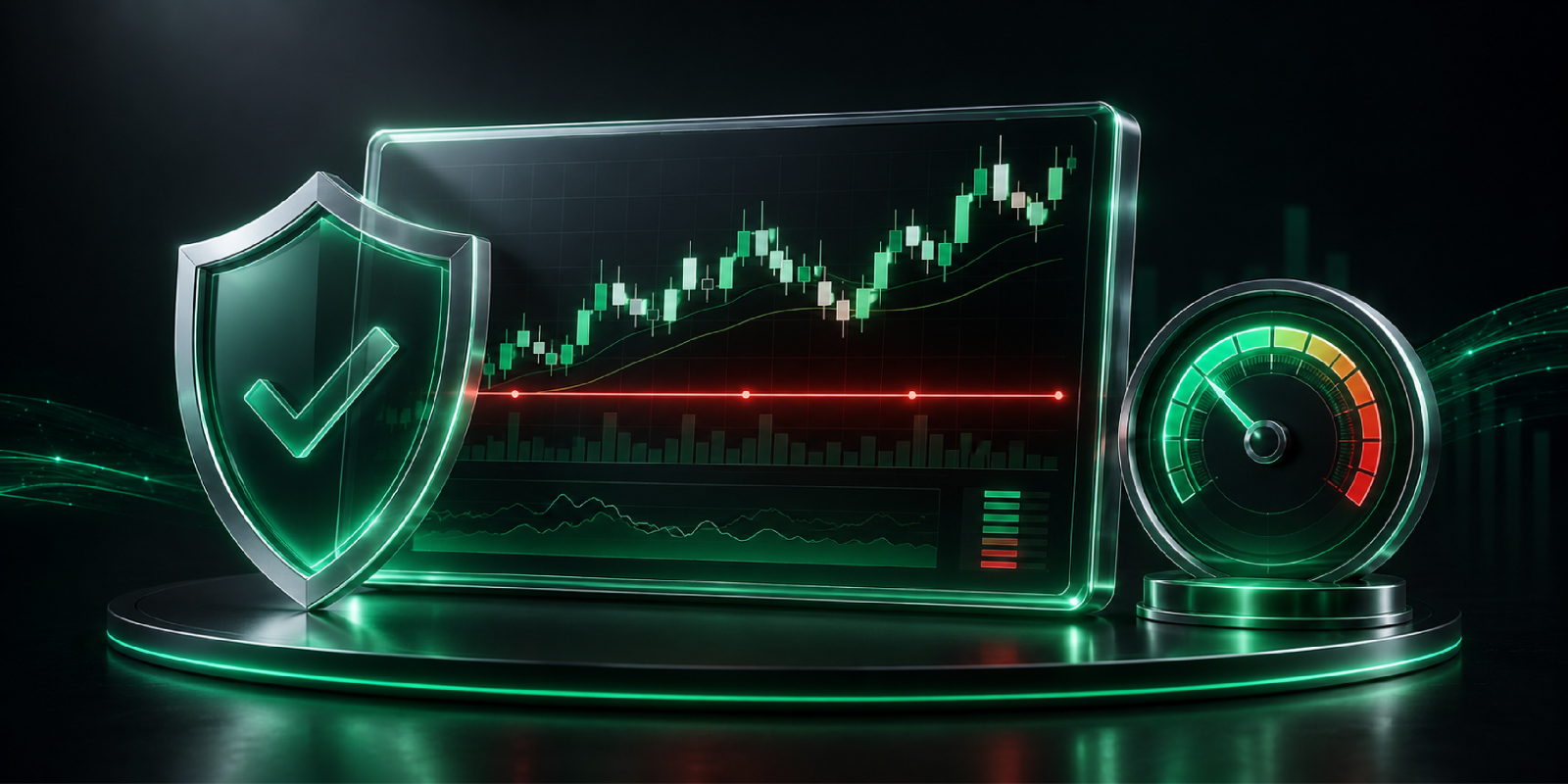
Regardless of experience level, traders should develop a structured risk management approach before participating in leveraged CFD markets. At FISG InterStellar Group, responsible trading practices and risk awareness remain important principles when participating in leveraged markets. These principles apply whether a trader is using conservative leverage ratios or higher levels of market exposure.
-
Using Stop-Loss Orders
Stop-loss orders define your maximum acceptable loss before entering a trade — removing the need to make reactive decisions while a position is moving against you. In leveraged markets, this is not optional; it is a structural necessity.
-
Managing Position Size
Limiting the notional exposure per trade — typically to no more than 1–2% of account equity at risk — reduces the impact of any single unexpected market movement on your overall account balance.
-
Avoiding Overleveraging
Using excessive leverage increases account volatility and makes risk control significantly more difficult. Starting with lower leverage ratios and increasing gradually as experience grows is the recommended approach for all traders.
-
Following a Written Trading Plan
A documented strategy — covering entry criteria, position sizing, stop-loss levels, and trade review process — provides a reference point during periods of market uncertainty and helps eliminate emotional decision-making.
Platform & Tools
Trading Platform Tools at FISG InterStellar Group
Modern trading platforms provide tools that help traders monitor positions and manage risk more effectively. At FISG InterStellar Group, traders can access global financial markets through MT4 and MT5 — platforms that provide real-time pricing, advanced charting, technical indicators, position monitoring, and mobile trading access. Technology cannot eliminate market risk, but it can help traders make more informed decisions and maintain better visibility over their leveraged positions.
FISG Platform Access
-
MetaTrader 4 (MT4)
Industry-standard platform with advanced charting, technical indicators, Expert Advisors for automated strategies, and integrated risk management tools.
Desktop · Web · Mobile -
MetaTrader 5 (MT5)
Enhanced multi-asset access with additional order types, depth of market, built-in economic calendar, and broader instrument coverage.
Desktop · Web · Mobile
Experience & Leverage
How Leverage Fits Different Experience Levels
Not every trader approaches leverage in the same way — and nor should they. Understanding how leverage works is essential for making informed trading decisions at any level of experience. Education and preparation remain important components of responsible market participation regardless of how long a trader has been active.
Beginner Traders
-
Focus on learning market fundamentals and developing disciplined habits before increasing exposure
-
Start with lower leverage ratios to limit account volatility during the learning phase
-
Use demo accounts to test strategy and risk management before committing real capital
-
Prioritise understanding how margin requirements work before sizing up positions
Experienced Traders
-
May use leverage as part of a structured strategy with strict, pre-defined risk controls
-
Adjust leverage levels based on market conditions — reducing exposure during high-volatility periods
-
Apply consistent position sizing rules rather than adjusting leverage reactively
-
Continue reviewing and refining risk management frameworks as market conditions evolve
Final Thoughts
Leverage as a Tool, Not a Target
CFD trading with high leverage can provide traders with greater market exposure, but it also increases the importance of risk management and disciplined decision-making. Leverage will likely continue to play a significant role in CFD trading because it offers flexibility and access to global financial markets — but as traders become more informed, there is increasing recognition that leverage should be viewed as a tool rather than a goal.
At FISG InterStellar Group, traders can access leveraged CFD markets through MT4 and MT5 while utilising educational resources and trading tools designed to support informed decision-making. By focusing on risk management and continuous learning, traders can develop a more structured approach to navigating global financial markets. The most successful trading approaches are built on education, strategy, and risk management — rather than the pursuit of maximum exposure.

Risk Disclaimer: CFD trading involves substantial risk and may not be suitable for all investors. Leverage can magnify both profits and losses. Always ensure you fully understand the risks involved and consider your financial objectives and experience before trading leveraged products. Past performance is not indicative of future results.
Found this article helpful?
Share it with your trading community
Related Articles
-
go to article
 CFD Trading with High Leverage: Opportunities, Risks, and Best Practices
 -
go to article
 Best CFD Broker 2026: What to Look for in a Modern Trading Platform
 -
go to article
 How to Trade CFDs for Beginners: A Practical, Risk-Aware Guide